


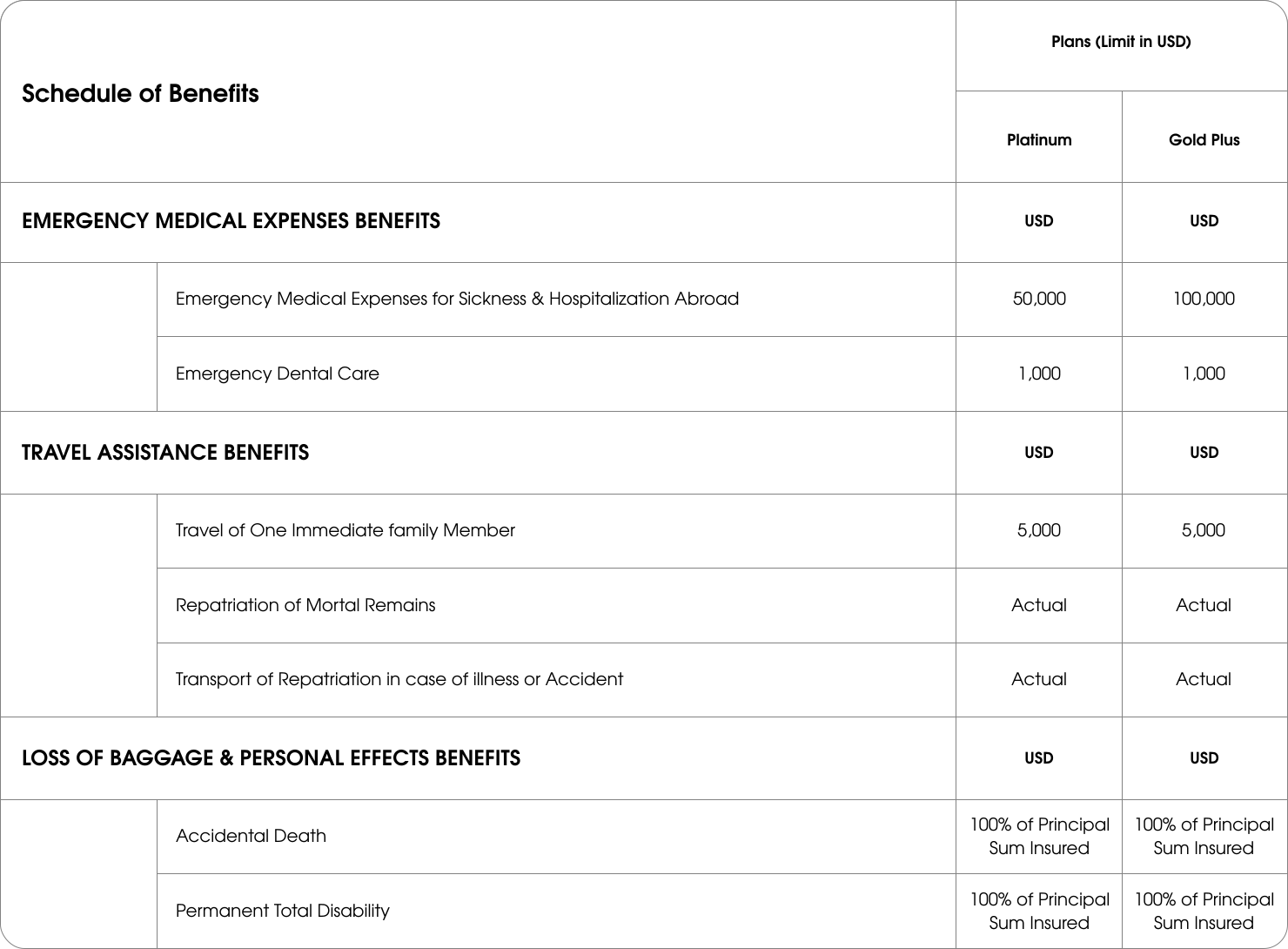
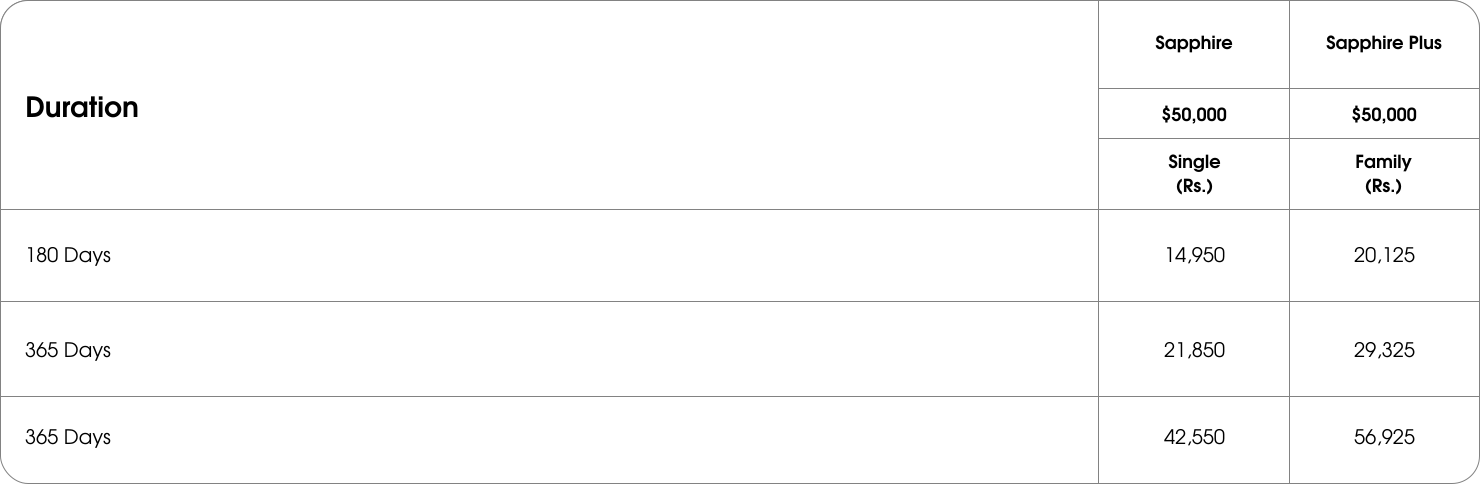


Travel insurance typically covers a range of scenarios including medical emergencies, trip cancellations, lost or delayed baggage, travel delays, and emergency evacuations. Coverage details can vary by policy, so it's important to review your specific plan.
While your health insurance may cover some medical expenses abroad, travel insurance offers additional benefits like trip cancellations, baggage loss, and emergency evacuations that health insurance often does not cover. It’s advisable to have travel insurance for comprehensive protection.
To file a claim, contact your insurance provider as soon as possible to report the incident. You will need to provide necessary documentation such as receipts, medical reports, and police reports. Detailed instructions and a claims form are usually available on the insurer’s website or through their customer support.
Contact the emergency assistance number provided by your travel insurance provider immediately. They can help coordinate medical care, arrange for payments, and provide necessary support throughout the process.
Yes, most travel insurance policies cover trip cancellations due to unforeseen events such as illness, injury, or death of a family member. Review your policy for specific covered reasons and any exclusions that may apply.
Travel insurance typically needs to be purchased before your trip begins. Some policies may offer limited coverage for emergencies that arise after the trip starts, but it’s best to buy insurance before your departure to ensure full coverage.
Trip interruption insurance covers non-refundable expenses if your trip is cut short due to covered reasons such as a medical emergency, natural disaster, or other unforeseen events. This can include additional travel and accommodation costs incurred due to the interruption.
Coverage for pre-existing medical conditions varies by policy. Some insurers offer coverage if the condition is stable before travel, while others may exclude it. Review the policy details and consider purchasing additional coverage if you have pre-existing conditions.
To determine if a policy suits your needs, assess the coverage options, limits, and exclusions in relation to your travel plans. Consider factors like your destination, duration, and any specific risks you may face. Comparing policies and reading reviews can also help.
Contact your travel insurance provider immediately to report the loss. They can assist with emergency passport replacement and cover associated expenses. Additionally, contact the nearest embassy or consulate for assistance in obtaining a replacement passport.